



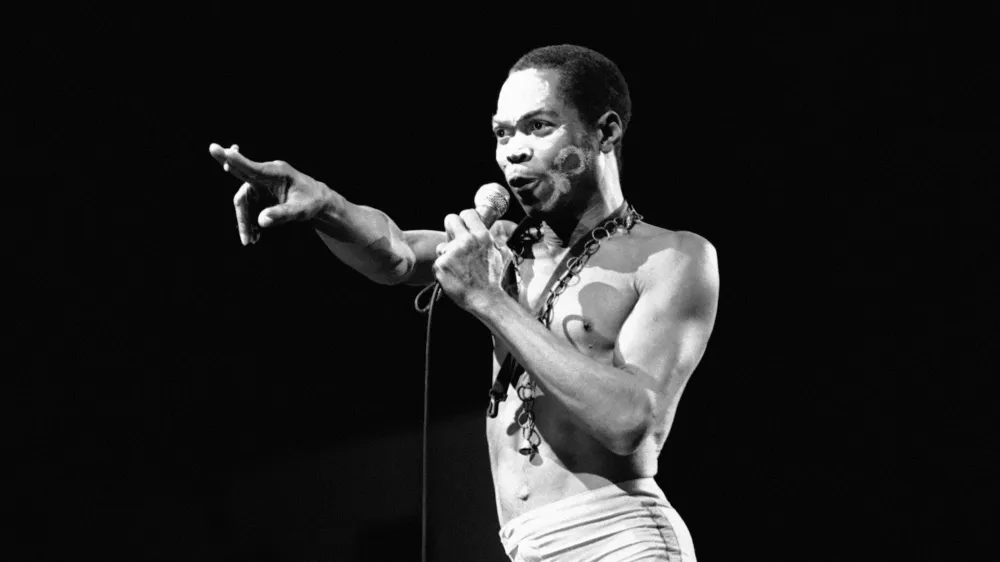
To the Custodians of the Kalakuta Legacy, first, my heartiest congratulations on the Grammy Lifetime Achievement Award bestowed upon the legendary Abami Eda. However, let us be clear on the optics: this award does not, in any way, “honor” Fela. Rather than recognizing the man who birthed a global movement, the Grammys have finally managed to honor themselves. It took the Recording Academy decades to catch up to the shrine’s rhythm, proving that while the world eventually bows to genius, the genius never needed the world’s validation to begin with.
Yet, this moment calls for more than just a celebration of a trophy from across the Atlantic. It is time to evolve. We must transition the yearly Felabration into the Felab Pan-African & Music Awards. We need an institution that does not just “equate” but surpasses the Nobel Prize and the Grammys in local relevance. Africa needs a stage that rewards and projects our raw, unapologetic sounds—Fuji, Apala, Soukous, Makossa, Bongo Flava, among many others—ensuring their survival and patronage. Fela did not wear lace and silk to be “accepted”; he wore his skin and his truth. We must create a platform that protects our heritage from being diluted by foreign standards.
We must recognize that Africa is a different terrain. Our philosophy is Ubuntu—”I am because we are.” We are increasingly disgusted by the imported culture of hip-hop “diss” tracks and manufactured beefs. We don’t want to see a Seun Kuti vs. Wizkid rancour, or Davido pitted against Burna Boy, or the petty squabbles of Kizz Daniel and Tekno. This is a pale imitation of the tragic Tupac and Biggie era—a culture of death we should not replicate. Fela’s standard was unwavering focus on the liberation of the people. He didn’t have time to beef with musicians; he was too busy fighting the soldiers at his gate. The modern African artist must return to raising the consciousness of the masses for accountability and good governance.
The Felab Awards should be the catalyst to reawaken Fela’s Movement of the People across the continent. This isn’t just about melody; it’s about moxie. Imagine partnership and awards given to icons of African resistance like Julius Malema, Bobi Wine, and Prof. PLO Lumumba. It should bridge the gap between art and activism, celebrating those who use their platforms as shields for the oppressed.
Furthermore, let this not be restricted to the dancefloor. The Felab institution must encompass literature, cinema, and student activism. We must adequately reward student bodies and individuals who align with the resistance against oppression. We need to kill the current “Celeb” sham—that hollow, materialistic, and shallow existence—and replace it with the ideology of the “Felabrity.” Our youths should aspire to be Felabrities: individuals whose fame is rooted in substance and defiance, rather than the frivolous pursuit of “likes” and designer labels while their country burns.
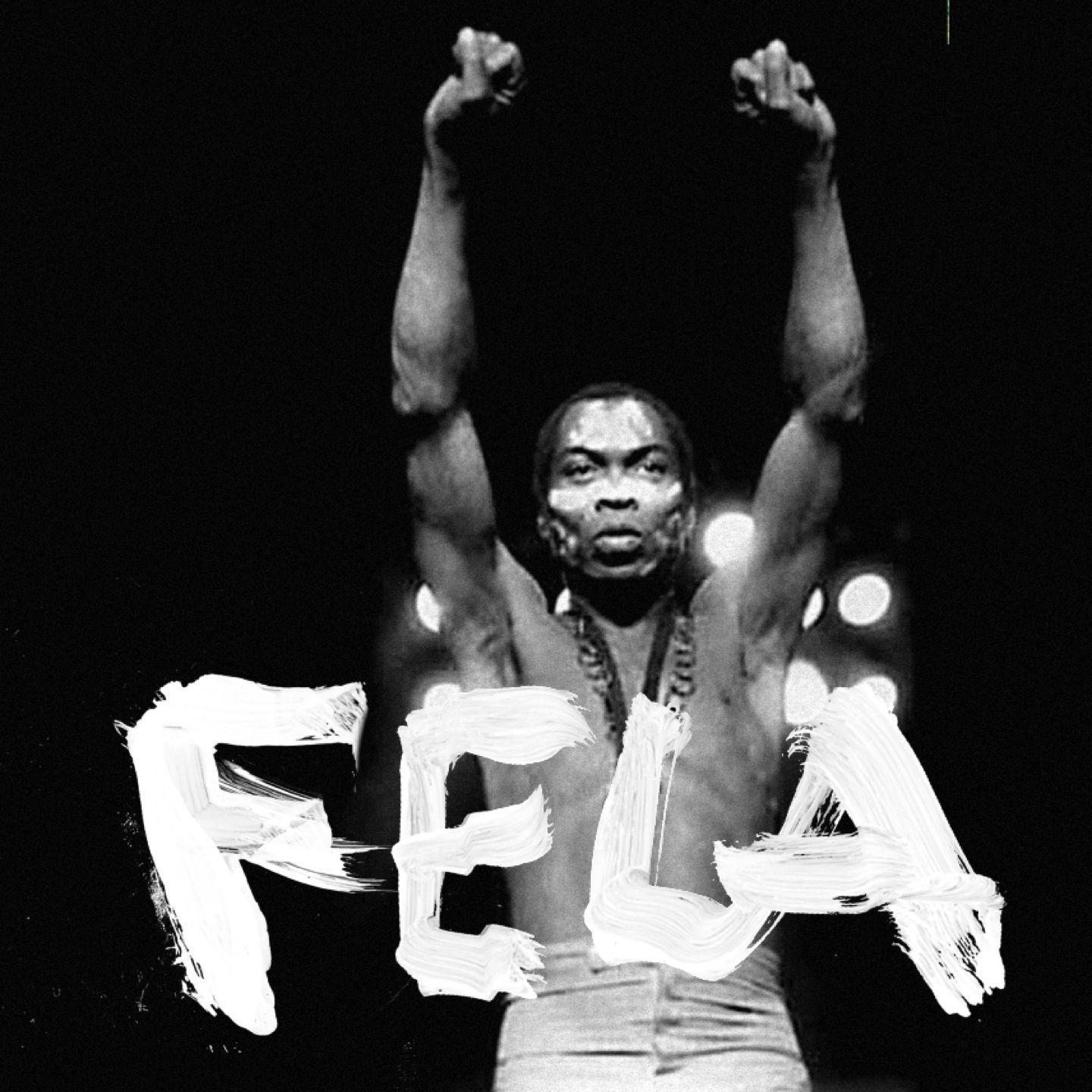
As for the physical manifestation of this honor, the plague—the award itself—must be designed in the iconic image of Fela’s famous posture: two fists raised high in the air. A symbol of power, unity, and the refusal to break.
The ripple effect of this shift would be monumental. In a society currently rotting from decadence and a lack of direction, Felab would channel the explosive energy of our youth toward positivity and civic pride. Fela committed “class suicide”—he left the comfort of his privileged background to become the voice of the common man. This award must reflect that. It cannot be an elitist black-tie gala behind closed doors; it must be the one place where the street and the suite meet in balanced representation. It must be the home of hope and dignity.
If we do this, we move from being mere entertainers to being architects of a new African reality. But as we celebrate this Grammy, I leave you with these questions to ponder:
If Abami Eda were alive today, would he be truly happy to be celebrated in a foreign land, or would he be more satisfied seeing his own soil bear the fruit of his sacrifice?
And to you, the reader: Are you a mere celebrity, or are you a Felabrity?
Yours Felab,
Dimeji Sodeke