



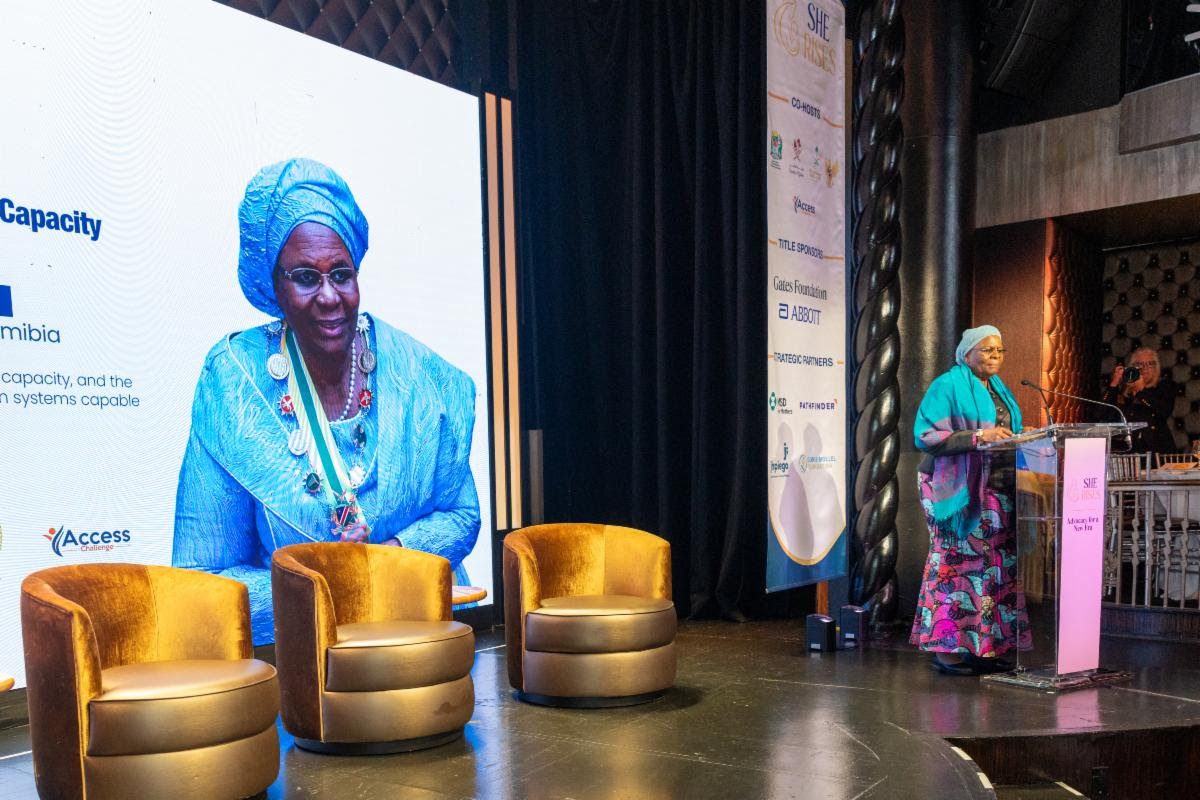
At a gathering on the sidelines of the 81st United Nations General Assembly in New York, Tanzania’s Samia Suluhu Hassan and Namibia’s Netumbo Nandi-Ndaitwah highlighted how political leadership, investment and international cooperation can help tackle preventable maternal and child deaths.
Every two minutes, a woman dies somewhere in the world from complications related to pregnancy or childbirth. For millions of mothers, what should be a life-changing moment of joy instead becomes a battle for survival, often against complications that could have been prevented with timely access to quality healthcare.
Despite decades of global commitments to maternal and child health, the crisis continues to disproportionately affect women in low- and middle-income countries, exposing gaps in healthcare access, funding, infrastructure and policy implementation.
But amid the challenges, the growing recognition of the role of political leadership in transforming maternal and child health has renewed calls for stronger commitments, sustainable investment and coordinated action.
That message took centre stage at SHE RISES: Advocacy for a New Era The Women Leading Maternal and Child Health for All, held on September 24 on the sidelines of the 81st United Nations General Assembly in New York.
The gathering brought together leaders, policymakers, healthcare advocates, development partners and international institutions to spotlight the leadership of African women in advancing maternal and child health, with Tanzania’s President, Samia Suluhu Hassan, and Namibia’s President, Netumbo Nandi-Ndaitwah, emerging as central voices in the conversation.
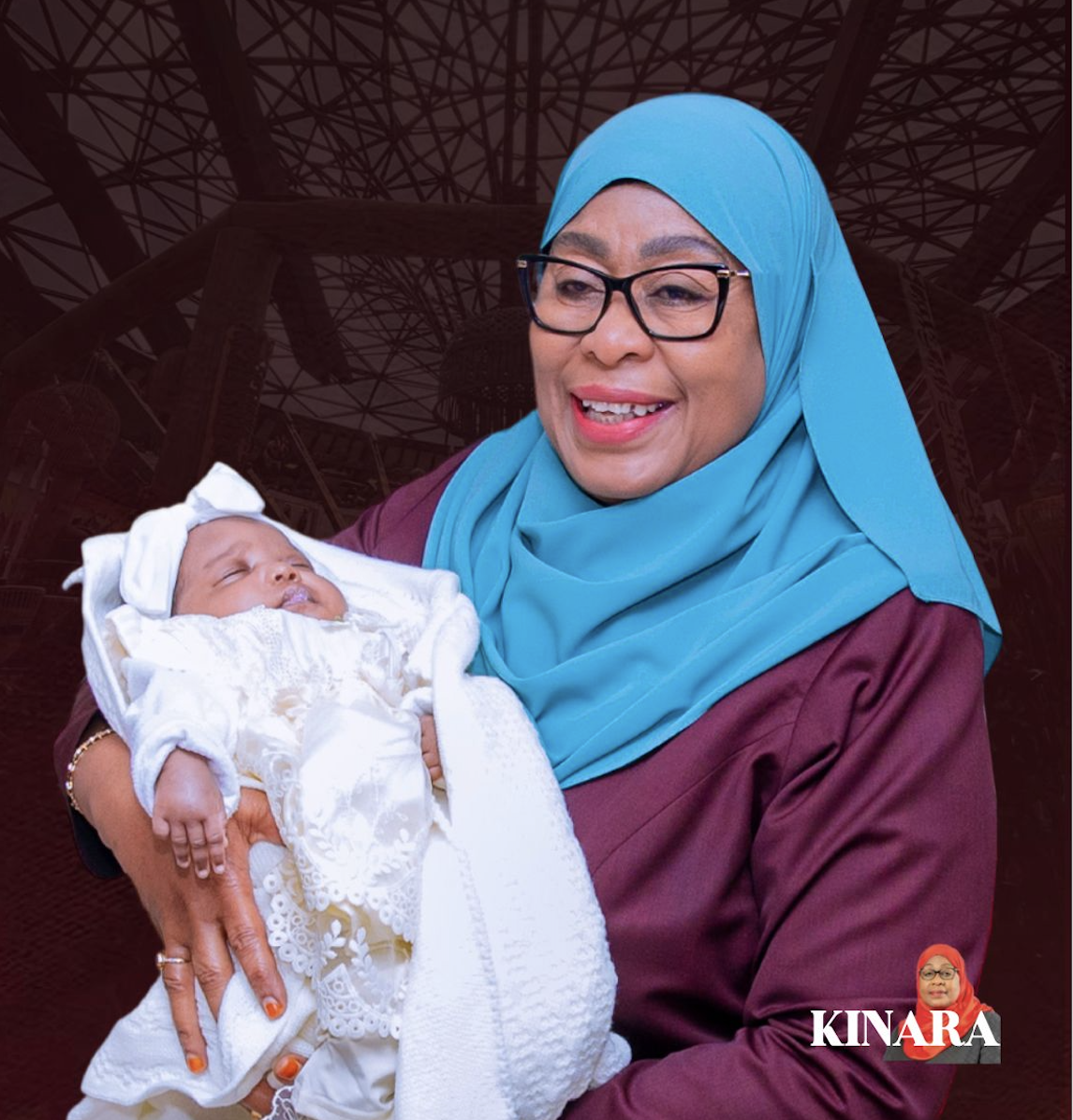
The event championed the maternal and child health agenda of President Samia, Tanzania’s first female president and African Union Champion for Maternal and Child Health, who was represented at the gathering by Vice President Deogratius John Ndejembi. Namibia’s President Nandi-Ndaitwah attended in person, reinforcing her country’s support for the agenda.
Co-hosted by the Permanent Missions of Tanzania, Qatar, Saudi Arabia and Indonesia to the United Nations, alongside The Access Challenge, the event sought to strengthen global commitment to ensuring that mothers and children have access to the healthcare services they need to survive and thrive.
Tanzania’s progress offers a blueprint for change
At the heart of the advocacy was Tanzania’s experience in reducing maternal deaths through sustained government commitment, healthcare investments and targeted interventions.
According to figures cited by the organisers, Tanzania’s maternal mortality ratio dropped from 556 deaths per 100,000 live births in 2015–16 to 104 in 2022, representing an approximately 81 per cent reduction.
Over the same period, skilled birth attendance increased from 66 per cent to 85 per cent, reflecting improvements in access to healthcare services and support for women during pregnancy and childbirth.
The progress has been linked to investments in emergency obstetric and newborn care, stronger referral systems, healthcare workers and initiatives such as m-mama, which helps women access medical care during obstetric emergencies.
For President Samia, maternal and child health is not simply a healthcare issue but one with broader economic and national implications.
“Maternal and child survival is a health agenda, but it is also an economic agenda—and fundamentally—a sovereignty agenda. When a mother survives, a family is held together, a community grows stronger, and a nation moves forward,” she said.
She further stressed the importance of African countries investing in their own healthcare systems to ensure that the survival of mothers and children is not dependent on external priorities.
Her commitment to maternal and newborn survival predates her presidency. In November 2018, while serving as Vice President, she helped launch Tanzania’s Jiongeze Tuwavushe Salama campaign, aimed at improving maternal and newborn survival.
Her efforts have since received international recognition, including the Global Goalkeeper Award presented by the Gates Foundation in February 2025 for Tanzania’s progress in maternal, newborn and child health and nutrition.
In February 2026, the African Union appointed her Champion for Maternal and Child Health, giving her a continental platform to promote lessons from Tanzania’s experience and encourage other countries to strengthen their maternal and child healthcare programmes.
From national achievements to continental advocacy
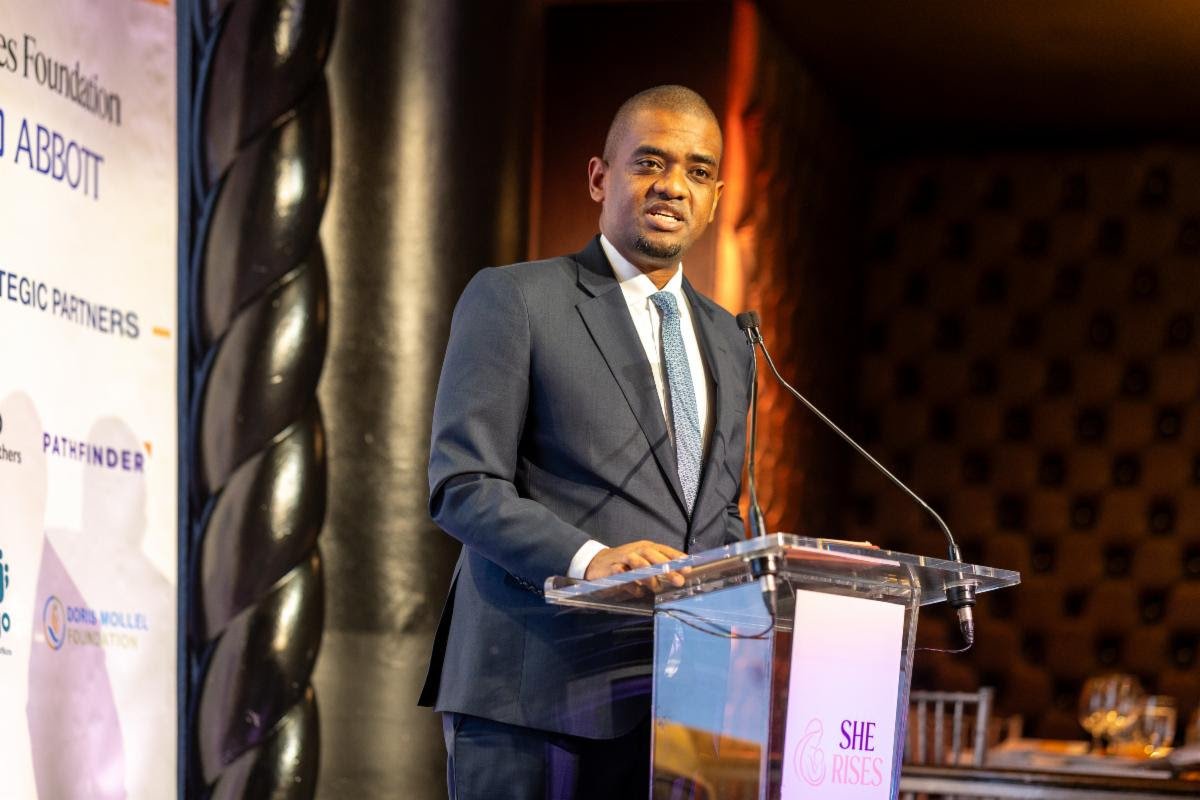
Delivering the keynote address titled From Commitment to Action, Tanzania’s Vice President, Deogratius John Ndejembi, said the country’s progress demonstrated the importance of prioritising maternal and child health at the highest levels of government.
“Under the leadership of President Samia Suluhu Hassan, Tanzania has shown that when maternal and child health is treated as a presidential priority, and backed by domestic investment, progress follows,” he said.
Ndejembi noted that although Tanzania still has work to do, its achievements provide lessons that other African countries can learn from as they work to improve healthcare outcomes for women and children.
He added that the country’s experience should be shared across the continent to encourage governments to strengthen their own maternal and child health interventions.
Tanzania’s Ambassador and Permanent Representative to the United Nations, Togolani Edriss Mavura, also underscored the importance of international cooperation in extending the country’s experience beyond its borders.
According to Mavura, President Samia’s African Union championship presents an opportunity to share lessons, strengthen partnerships and mobilise support for a common maternal and child health agenda.
He noted that Tanzania was willing to share its experience while also learning from other countries working towards the same goal.
Why women’s leadership matters
The gathering also highlighted the broader importance of women’s representation in leadership, particularly in shaping policies and programmes that directly affect women, children and families.
With women still underrepresented in many of the world’s highest political and decision-making positions, the presence of two African female presidents at the centre of a global maternal and child health advocacy initiative underscored the significance of leadership that prioritises the needs of women and children.
Namibia’s President, Netumbo Nandi-Ndaitwah, reaffirmed her country’s support for President Samia’s continental advocacy, stressing the responsibility women leaders have to advance the health and well-being of mothers and children beyond their national borders.
“As women who lead, we carry a responsibility not only to our own nations, but to every mother and child across our continent,” she said.
Nandi-Ndaitwah praised Tanzania’s progress and expressed Namibia’s readiness to support efforts aimed at ensuring mothers and children across Africa have access to quality healthcare.
The gathering demonstrated how political leadership and partnerships can reinforce one another, creating opportunities for countries to share experiences, mobilise resources and advance common healthcare priorities.
Global leaders, institutions and partners rally behind the cause
SHE RISES brought together a broad range of international stakeholders, including UNFPA Executive Director Diène Keita, African Union Commissioner for Health Amma A. Twum-Amoah, World Health Organisation Regional Director for Africa, Professor Mohamed Yakub Janabi, Tanzania’s Minister of Health Mohamed Omary Mchengerwa, Abbott Senior Vice President and Abbott Fund President Melissa Brotz, and former Tanzanian President Jakaya Mrisho Kikwete.
Two panel discussions also examined the challenges and opportunities in advancing maternal and child health.
The first panel featured prospective candidates for the position of WHO Director-General, including Indonesia’s Minister of Health, Budi Gunadi Sadikin; WHO Regional Director for the Eastern Mediterranean, Hanan Balkhy; and Qatar’s Senior Adviser on Public Health to the Prime Minister, Hanan Mohammed Al-Kuwari.
The discussion explored how global health leadership could prioritise maternal and child health and translate commitments into practical interventions.
Another panel, titled She Needs Capital, Not Charity, focused on the role of financing in strengthening healthcare systems and supporting women and children.
Participants included Jhpiego Chief Executive Officer Allyson Bear, Pathfinder International Chief Executive Officer Tabinda Sarosh, and MSD for Mothers Vice President and Head of Social Impact and Sustainability Kalahn Taylor-Clark.
The discussion highlighted the need for financing models that strengthen locally led healthcare systems rather than rely solely on short-term projects.
The event was supported by the Gates Foundation and Abbott Fund as title sponsors, alongside MSD for Mothers, Pathfinder International, Jhpiego and the Doris Mollel Foundation.
The Access Challenge Chief Executive Officer, Asad Lilani, said advocacy must move beyond conversations and inspire practical action, noting that Tanzania’s achievements offer an opportunity to mobilise more countries and partners behind maternal and child health.
The urgency of a global commitment
The urgency of the campaign is reflected in global maternal mortality figures. Approximately 260,000 women died from pregnancy and childbirth-related causes in 2023, with more than 90 per cent of the deaths occurring in low- and lower-middle-income countries.
The figures highlight the persistent inequalities in access to healthcare and the need for stronger investment in services that protect women during pregnancy, childbirth and the postpartum period.
Tanzania’s progress offers evidence that sustained political commitment, domestic investment, improved healthcare delivery and strategic partnerships can help reduce maternal deaths.
Through SHE RISES, advocates sought to reinforce the message that maternal and child health must remain a priority for governments, development institutions and the global community, particularly at a time when healthcare resources face growing pressure.
As President Samia continues her role as African Union Champion for Maternal and Child Health, the initiative seeks to turn national achievements into broader continental momentum.
The challenge, however, remains ensuring that the commitments made by leaders translate into accessible, affordable and quality healthcare for women and children across Africa and beyond.