



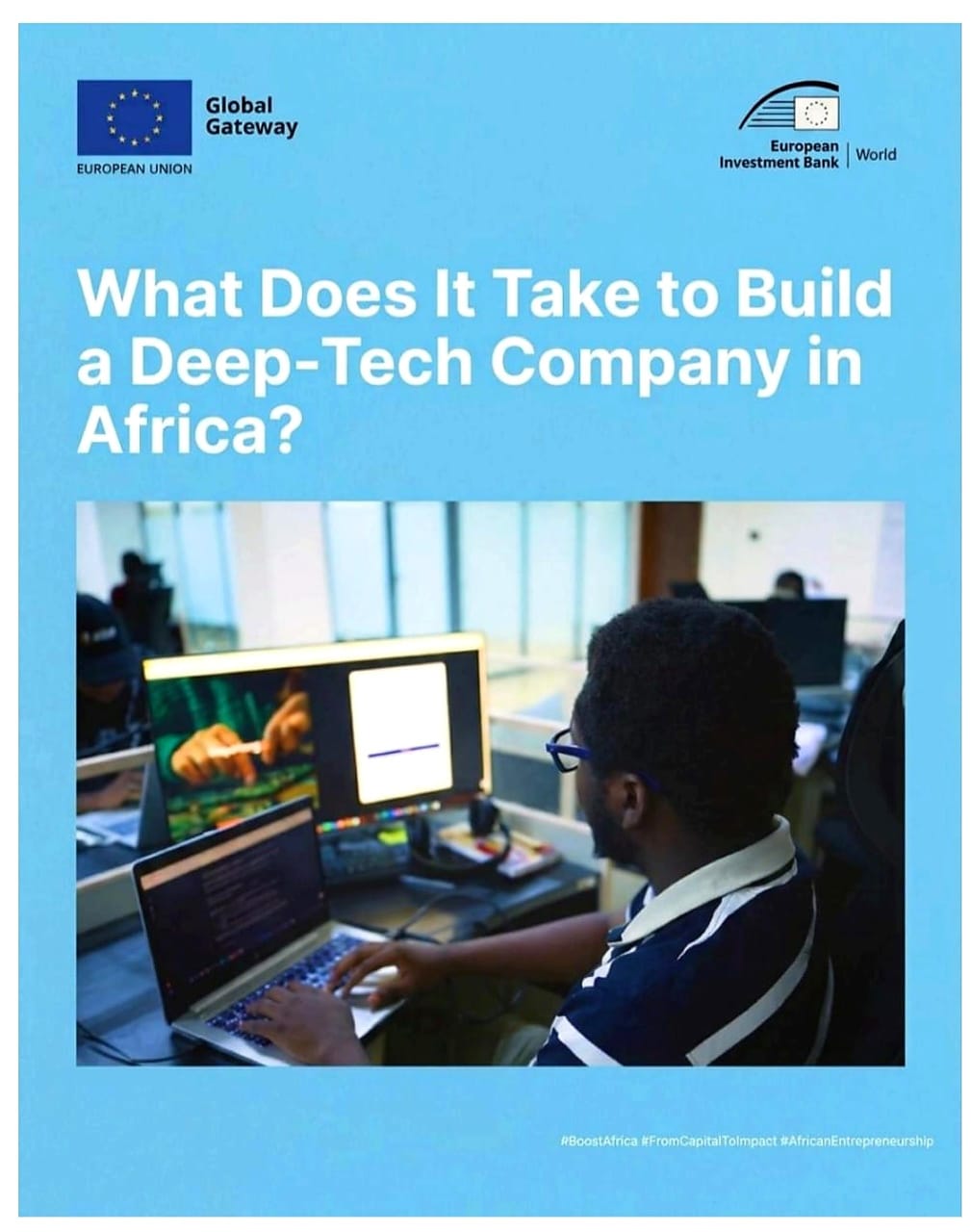
Nigerian semiconductor technology company ChipMango is working to position African engineers for opportunities in the global semiconductor industry by connecting local technical talent with specialised engineering tools, practical experience and commercial projects.
The initiative seeks to address some of the barriers facing African engineers seeking to enter the highly specialised semiconductor sector, where access to professional tools, industry exposure and technical expertise remains essential.
As demand for semiconductor technology continues to grow across industries, including artificial intelligence, telecommunications, automotive manufacturing and consumer electronics, opportunities are emerging for engineers with the skills to contribute to chip design and development.
ChipMango is operating at the intersection of talent development and commercial engineering, creating pathways for African expertise to participate in an industry traditionally dominated by established technology markets.
Its approach highlights the potential of African engineering talent to contribute to global technological advancement when supported with the right training, infrastructure and access to industry opportunities.
The company’s growth also underscores the importance of investment in Africa’s innovation ecosystem, particularly in supporting businesses developing specialised technological capabilities.
Through Boost Africa, a joint initiative of the European Investment Bank (EIB) and the African Development Bank (AfDB), with support from the European Union, the EIB helps mobilise financing for innovative African businesses through investments in venture capital funds.
The initiative combines financial investment with technical assistance to strengthen entrepreneurship, encourage innovation and help African businesses access the resources and networks needed to expand.
ChipMango’s work illustrates how investment in local talent and technical capabilities can create opportunities beyond traditional engineering education, allowing African professionals to participate more actively in the global semiconductor value chain.
As the continent seeks a stronger position in the global technology industry, developing specialised skills and supporting innovative businesses will be important to building a competitive engineering ecosystem.