



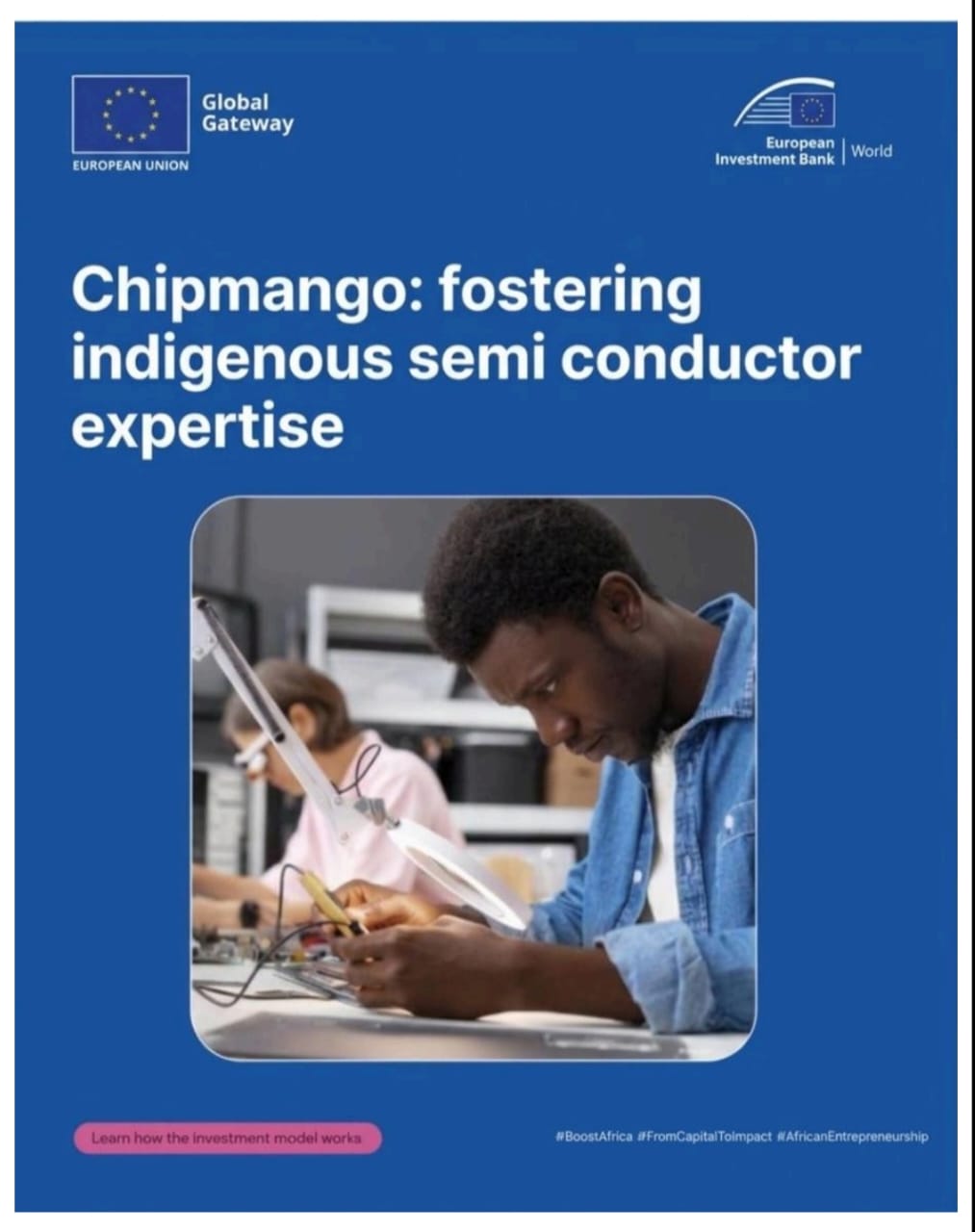
From smartphones and laptops to electric vehicles and artificial intelligence systems, semiconductors have become essential to the technology powering the modern world. However, the specialised expertise required to design these components remains concentrated in a relatively small number of global technology hubs, highlighting an opportunity for Africa to strengthen its presence in the industry.
As demand for advanced chips continues to grow, semiconductor engineering is emerging as an important area of opportunity for African technology talent. Beyond the devices consumers use daily, chip design and development support industries such as telecommunications, automotive manufacturing, computing, healthcare and artificial intelligence.
Despite the importance of the sector, Africa’s participation in the global semiconductor value chain remains limited, particularly in specialised areas such as chip design, verification and development.
Building the skills and expertise required to compete in this industry will therefore be critical to expanding the continent’s role in the global technology economy.
One company working towards this ambition is ChipMango, which is creating opportunities for African engineers to develop semiconductor engineering skills and participate in the global chip industry.
Through its work, the company is helping to address the gap between engineering education and the specialised technical knowledge required by the semiconductor sector.
The opportunity extends beyond training. Developing a skilled workforce in chip design and verification could position more African engineers to contribute to international technology projects, participate in global value chains and support the growth of a specialised technology ecosystem on the continent.
However, building a competitive semiconductor industry requires more than talented engineers. Access to advanced tools, technical infrastructure, industry partnerships, specialised training and long-term financing are equally important.
This is where investment initiatives such as Boost Africa become relevant.
Through its investments in venture capital funds supporting innovative African businesses, the European Investment Bank (EIB), working with the African Development Bank and the European Union, helps strengthen the financing ecosystem for companies developing technology-driven solutions.
By supporting the growth of venture capital and entrepreneurship across the continent, Boost Africa contributes to creating opportunities for businesses operating in specialised sectors that require technical expertise and sustained investment.
For Africa, developing semiconductor engineering capabilities could open new pathways beyond traditional technology services and position local talent within one of the world’s most strategically important industries.
As global demand for semiconductors continues to shape technological innovation, companies such as ChipMango are highlighting the potential of African engineers to participate in the industry.
The challenge now is to build the skills, partnerships and investment structures needed to turn that potential into lasting opportunities.