




By Chukwuemeka Paschal- Mention the Economic Community of West African States and public conversation turns to high-stakes political diplomacy, presidential summits, or military interventions in regional hot spots. Far behind those front-page headlines, a physical revolution is taking root across West Africa.
Progress is visible in high-voltage transmission lines, major highway corridors, and digital networks designed to make cross-border trade and communication easier.
For decades, fragmented national systems have constrained economic cooperation, leaving neighbouring countries with limited connections in electricity, transport, and digital services. Today, regional infrastructure initiatives are laying the physical and digital foundations for a more integrated West African market. The scale of the transformation is significant, although its ultimate success will depend on effective implementation, sustained investment, and cooperation among member states.
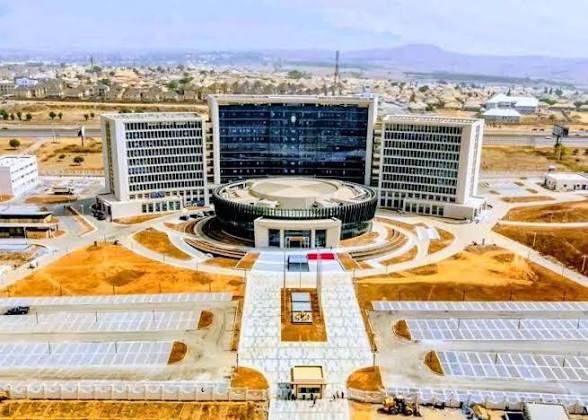
The West African Power Pool
Industrial expansion across West Africa has long faced a major constraint in the form of fragmented electricity networks. Some countries possess significant hydroelectric resources, while others depend heavily on thermal generation to meet domestic demand. Without adequate cross border transmission infrastructure, countries have struggled to make the most of the region’s diverse energy resources.
The ECOWAS backed West African Power Pool was established to address this challenge by connecting national electricity networks and facilitating cross border power trading. Its long term objective is to create a more integrated regional electricity market in which participating countries can exchange power and improve the efficiency of their energy systems.
The benefits of improved regional electricity connections are already evident in some industrial operations. Interconnection projects linking Cote d Ivoire, Liberia, Sierra Leone, and Guinea are among the initiatives designed to strengthen regional power exchanges and improve access to electricity.
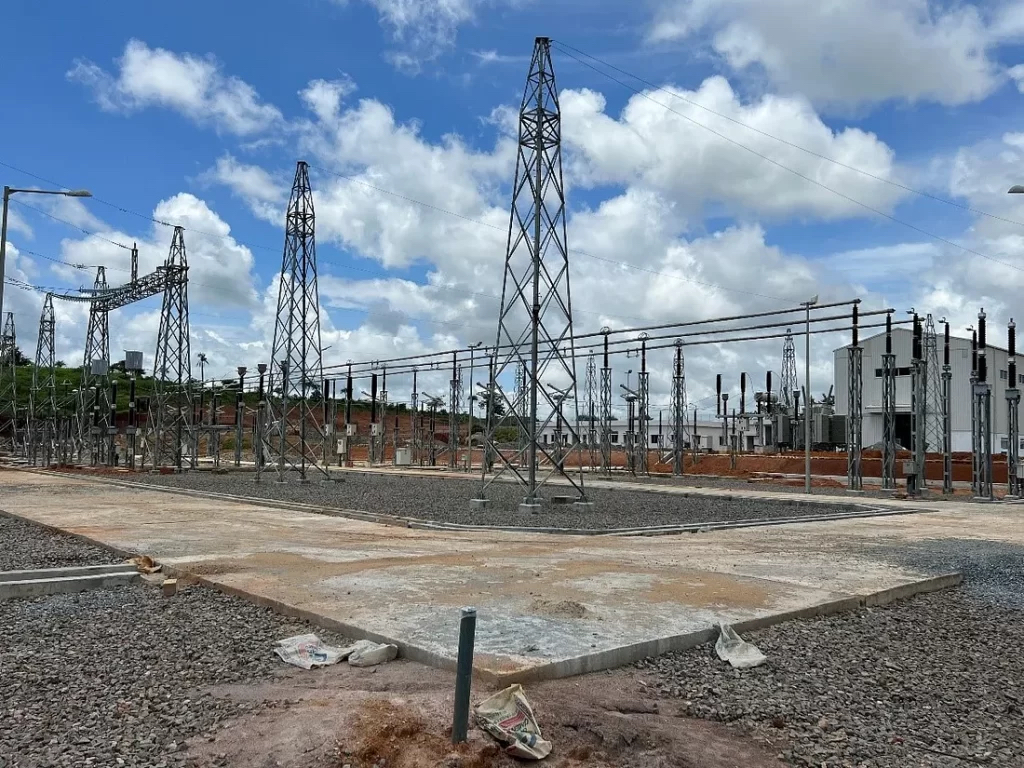
For businesses, more reliable grid power can reduce dependence on expensive private generators, lower operating costs, and support industrial productivity.
Sadio Seye, Director of Operations at Sodefitex in Tambacounda, Senegal, described the impact of improved electricity supply during a World Bank field assessment on November 23, 2023.
“In 2022, we used generators for only 70 hours across the five Sodefitex factories, but in 2023 we have not had to turn on a single generator”, he noted.
Seye added that access to reliable grid electricity was a source of relief for the company, which had been preparing to seek board approval for a substantial investment in new generators.
The experience illustrates how improvements in electricity supply can influence business decisions, freeing companies from some of the costs associated with maintaining backup power systems. However, extending these benefits across the region will require continued investment in transmission infrastructure, effective coordination among national utilities, and reliable payment arrangements for cross border electricity transactions.

The broader ambition extends beyond industrial productivity. At the 6th Donors Joint Supervision Meeting, held at the Transcorp Hilton in Abuja on October 27, 2025, Engr. Sule Ahmed Abdulaziz, Managing Director of the Transmission Company of Nigeria and Chairman of the WAPP Board of Directors, highlighted the wider social significance of regional electricity cooperation.
“This cross border energy exchange changes the economic reality for entire communities. This project goes beyond power lines because it is about families switching on lights for the first time, clinics where electricity powers life saving equipment, and an investment in human dignity”, he stated.
His remarks underscore the broader objective of regional power integration: improving not only the operating environment for businesses but also the availability of electricity for households, health facilities, and public services.
The Abidjan to Lagos Corridor
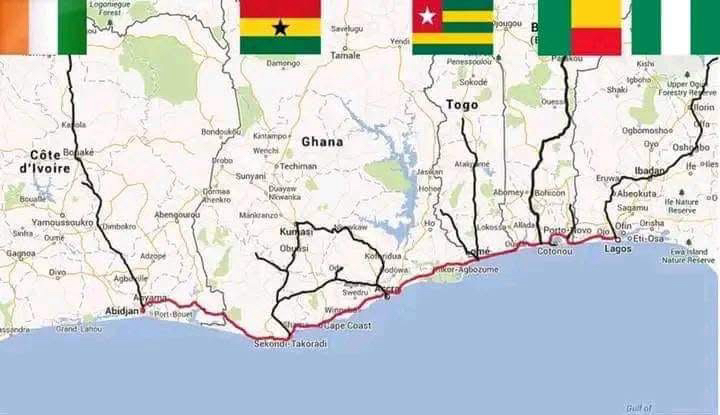
Electricity can power factories, but transport infrastructure moves their products to consumers. Across coastal West Africa, the Abidjan to Lagos Highway Corridor is a major regional initiative intended to improve connectivity among five partner economies. The project physically unites Cote d Ivoire, Ghana, Togo, Benin, and Nigeria along a strategic coastal trade route.
Steered under regional frameworks with support from financial partners including the African Development Bank, the estimated fifteen billion dollar highway venture is designed to connect major production centers, deep water ports, and urban consumer markets across national boundaries. More efficient transport links aim to reduce travel times, lower logistics overhead, and facilitate trade along one of the sub region’s most active commercial zones.
Yet road construction alone cannot guarantee seamless trade. Truck drivers and logistics operators have historically faced cumbersome paperwork, inconsistent border procedures, and lengthy queues at some crossing points. These obstacles can increase costs, delay deliveries, and undermine the commercial benefits of improved highways.
ECOWAS and national authorities have pursued measures to address these challenges, including the development of Joint Border Posts. The Seme Krake crossing between Nigeria and Benin is one example of efforts to streamline border procedures through coordinated inspections and more integrated customs operations.
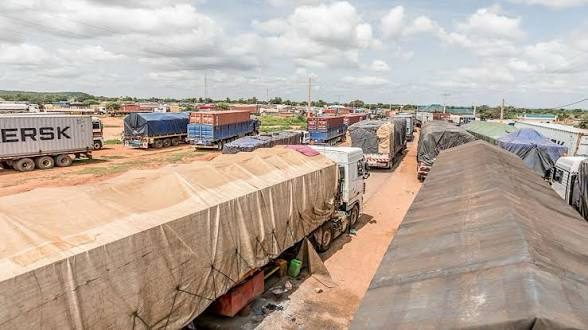
The effectiveness of these facilities, however, depends on more than the physical infrastructure. Customs authorities must share information, coordinate procedures, and adopt compatible digital systems if goods are to move efficiently across borders.
That distinction was highlighted by Bashir Adewale Adeniyi, Comptroller General of the Nigeria Customs Service, during joint customs proceedings involving the Benin Customs Directorate at the Seme border in September 2026.
“Hardware alone cannot guarantee smooth transit. Without interconnectivity, this is not a joint border post, it is two border posts sharing a car park”, he observed.
The point captures a central challenge facing regional integration. Roads and border facilities create opportunities for trade, but their economic value depends on the institutions and systems that operate them. Without effective coordination, physical infrastructure can coexist with the same administrative barriers it was designed to overcome.
Building the Single Digital Market
Alongside transmission lines and highway corridors, digital connectivity is becoming an increasingly important part of West Africa’s integration agenda.
Regional telecommunications policies, improved broadband infrastructure, and efforts to harmonise digital regulations are intended to make it easier for businesses and individuals to communicate, exchange information, and conduct transactions across national borders.
Submarine fibre-optic cables provide much of the international data capacity entering the region, connecting coastal landing stations to global networks and supporting connectivity in inland markets. Internet exchange points and regional data centres can complement this infrastructure by enabling more internet traffic to be exchanged and stored closer to the people and businesses using it.
The figures cited for the region’s submarine cables, internet exchange points, and data centres illustrate the scale of this infrastructure. Their economic significance, however, depends on factors such as affordability, network reliability, geographical coverage, and the extent to which local businesses can access the services they provide.
For traders, transport operators, and small businesses, digital integration also has a practical dimension. High cross-border mobile charges and incompatible payment arrangements can complicate everyday commercial transactions. Regional roaming initiatives and efforts to improve digital interoperability seek to reduce some of these barriers, making communication and mobile services more accessible when users travel between participating countries.
The extent of the benefits will depend on how consistently participating countries implement regional agreements and whether lower charges and improved services translate into real savings for consumers and businesses.
Digital systems also support integration in specific sectors. Within the electricity industry, the Regional Energy Governance and Information System provides a platform intended to improve access to information relevant to regional energy management, including power-sector trends, transmission infrastructure, and regulatory coordination.
Such systems can strengthen the institutional foundations of regional cooperation by helping stakeholders access information and coordinate decisions. Their effectiveness ultimately depends on data quality, regular updates, interoperability, and the willingness of participating institutions to use shared information in their operations.
The broader objective is to ensure that digital connectivity becomes more than an expansion of internet capacity. By supporting cross-border payments, communications, information exchange, and business transactions, digital infrastructure can help translate physical connectivity into more efficient regional commerce.
The Integration Imperative
Political headlines will continue to reflect changing diplomatic priorities, security concerns, and disagreements among governments. Infrastructure integration, however, offers another way to understand the long-term development of the West African region.
A factory drawing electricity through a regional power network, transporting its products along a multinational highway, and receiving payments through digital services illustrates how different forms of connectivity can work together to support economic activity.
Real integration requires more than agreements signed at summits or commitments announced at official ceremonies. It depends on infrastructure that functions reliably, border procedures that facilitate rather than obstruct trade, and digital systems that allow businesses and individuals to operate across national boundaries.
The challenges remain substantial. Financing constraints, uneven infrastructure development, regulatory differences, and gaps in implementation can slow progress. Regional projects must also demonstrate tangible benefits for smaller businesses, rural communities, and households, rather than concentrating their gains in major cities and established commercial centres.
Nevertheless, the direction of travel is significant. Electricity interconnectors, transport corridors, joint border facilities, and digital networks provide practical mechanisms through which neighbouring economies can become more closely connected.
West Africa’s regional future will therefore depend not only on political cooperation but also on the ability of governments and institutions to deliver, maintain, and effectively manage the infrastructure that binds their economies together.
The foundations of regional unity are being laid in power lines, road networks, border facilities, and digital connections. Whether these investments fulfil their promise will depend on how effectively the region turns infrastructure into reliable services, lower trade barriers, and broader economic opportunity for its people.