



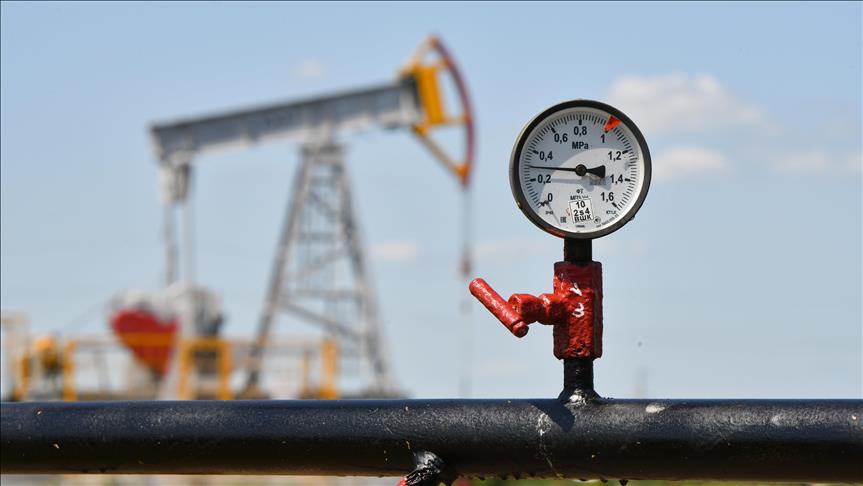
Global oil prices rose by nearly two percent on Wednesday after attacks on Kuwait heightened tensions in the Middle East and raised concerns about the stability of the fragile ceasefire between Iran and the United States.
The surge in crude prices followed reports that an Iranian drone and missile assault damaged infrastructure at Kuwait International Airport and several diplomatic facilities. Kuwaiti authorities and state media said the attack resulted in one death and more than 60 injuries.
Flight operations at Kuwait International Airport were temporarily suspended following the incident. However, officials later confirmed that national carriers Kuwait Airways and Jazeera Airways had resumed services after emergency assessments were completed.
Conflicting accounts have emerged regarding responsibility for the damage. Iran’s Revolutionary Guard denied targeting Kuwait International Airport, claiming the destruction was caused by US interceptor missiles that failed to reach their intended targets. Iranian state media carried the statement.
The United States military rejected that explanation, insisting that Iranian drones deliberately struck the airport and surrounding facilities.
Earlier reports from Iranian media also claimed that the Revolutionary Guard had launched attacks against the headquarters of the US Fifth Fleet in Bahrain, as well as a US military base and a vessel in the region.
US Central Command denied that any American bases had been hit. The command further announced that it had carried out additional “defensive strikes” in southern Iran in response to evolving security threats.
Despite the renewed tensions, diplomatic efforts between Tehran and Washington remain ongoing. Iranian Foreign Minister Abbas Araqchi told Lebanese broadcaster Al Mayadeen that negotiations with the United States have continued, although no significant breakthrough has been achieved so far.
His comments came after former US President Donald Trump expressed optimism about the prospects for a deal.
Speaking at the White House, Trump said he believed negotiations were progressing positively and suggested an agreement could potentially be reached over the weekend.
“I hear the negotiation itself is going very well actually,” Trump said. “If it happens, it could happen over the weekend.”
Trump also stated during a podcast appearance that Iranian Supreme Leader Mojtaba Khamenei was involved in the negotiation process.
Meanwhile, oil markets remain highly sensitive to developments in the region. Although prices initially surged amid fears of wider conflict, crude benchmarks later eased after reports of a truce between Israel and Lebanon. Both major oil contracts fell by more than one percent after approaching the $100-per-barrel mark earlier in the week.
Analysts say investors will continue to monitor military developments and diplomatic negotiations closely, with any escalation or breakthrough likely to have an immediate impact on global energy markets.