



By Theresa Moses- As Nigeria gradually builds momentum toward the 2027 general elections, the political atmosphere is once again marked by familiar challenges, rising public frustration, economic pressures, insecurity, and an increasing demand for leaders capable of delivering meaningful national transformation.
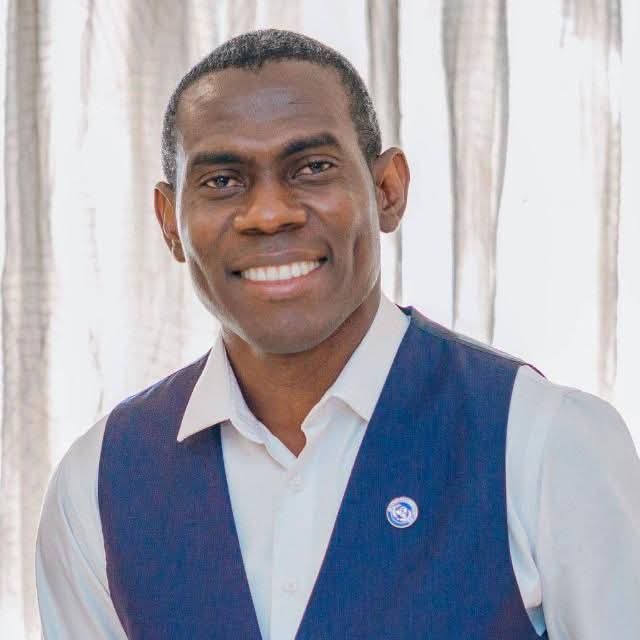
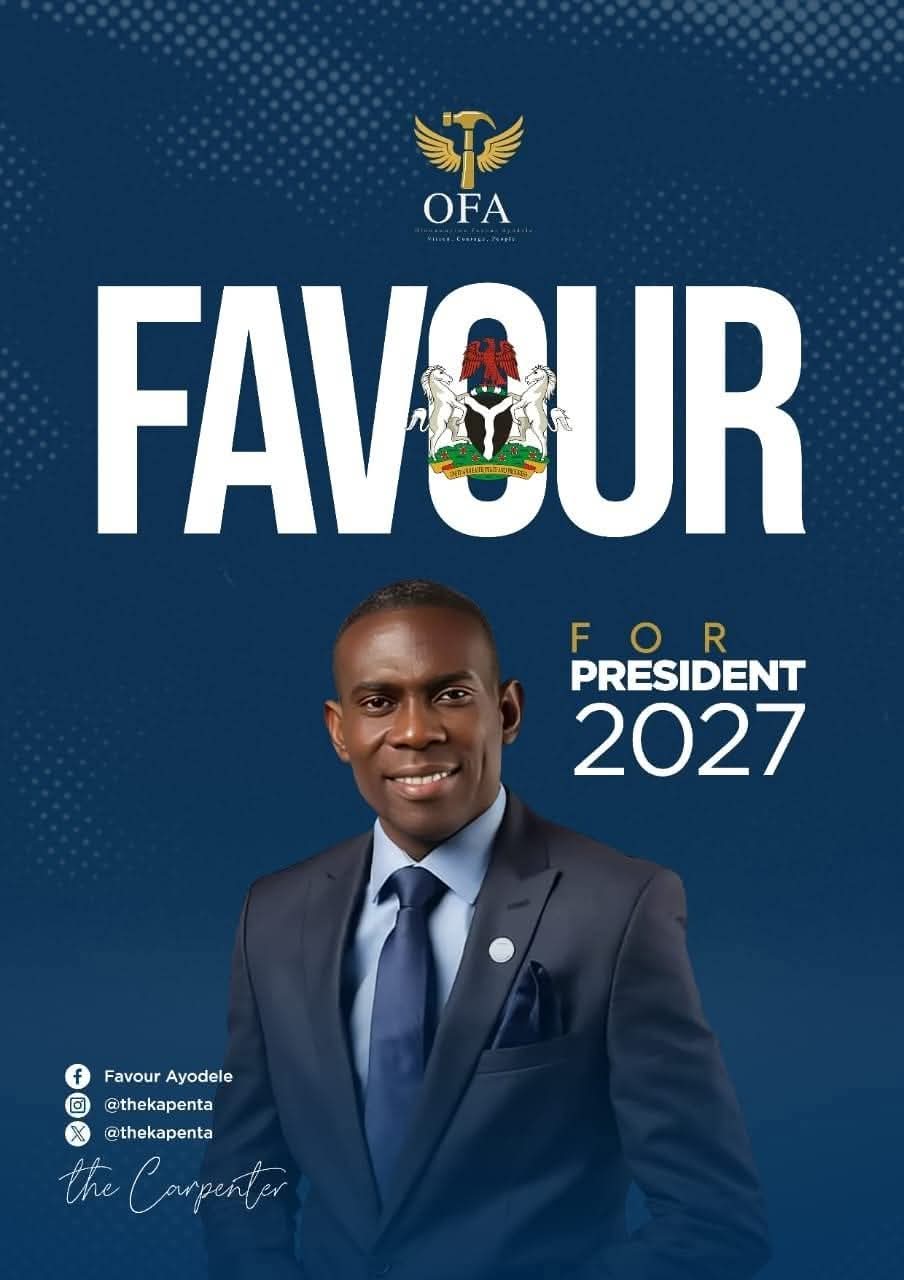
At the centre of this evolving political conversation is Prof. Oluwamuyiwa Favour Ayodele (OFA), popularly known as “The Carpenter,” a presidential aspirant who has declared his intention to contest for the highest office in the land.
His emergence is being presented not as a conventional political ambition, but as a call for comprehensive national reconstruction. OFA argues that Nigeria’s challenges extend beyond policy shortcomings and require a deliberate rebuilding of institutions, governance structures, and public trust.
According to his vision, Nigeria is grappling with deep-rooted systemic issues, including a struggling power sector, widespread unemployment, economic inequality, insecurity, and a growing disconnect between citizens and government. He maintains that these problems are interconnected and must be addressed through coordinated reforms rather than isolated interventions.
A Political Identity Built Around Reconstruction
The nickname “The Carpenter” serves as the foundation of OFA’s political identity. It symbolizes his belief that Nigeria’s governance architecture has suffered years of structural deterioration and requires rebuilding from the ground up rather than temporary fixes.
Rather than aligning himself with traditional political establishments, he presents himself as a reform-minded alternative committed to accountability, transparency, and national renewal.
His political message is anchored on anti-corruption, youth inclusion, institutional reform, and the restoration of public confidence in governance. At the heart of his campaign is the conviction that leadership must be directly connected to the realities faced by ordinary Nigerians.
Why Supporters Believe OFA Represents A Different Path
Supporters of Prof. Ayodele’s presidential aspiration argue that his appeal lies in his willingness to challenge conventional political assumptions and focus on long-standing national concerns.
Prioritising Nigeria’s Power Challenge
Central to his Governance, Electricity and Transformation (GET) Agenda is the belief that stable electricity remains the foundation of national development.
According to OFA, sustainable progress in education, healthcare, industrialisation, technology, and job creation cannot occur without reliable power supply. Supporters view this focus as a practical approach to addressing one of Nigeria’s most persistent development challenges.
Leadership Focused On Everyday Realities
His political messaging consistently centres on issues affecting millions of Nigerians, including poverty, unemployment, insecurity, inflation, and the rising cost of living.
Supporters argue that this people-focused approach distinguishes him from politicians whose campaigns are often dominated by broad promises rather than direct engagement with citizens’ daily experiences.
An Anti-Establishment Alternative
A defining element of OFA’s political profile is his outsider positioning.
He has repeatedly argued that many of Nigeria’s governance challenges are linked to the continued dominance of entrenched political interests and recycled leadership structures.
For supporters, this stance represents an opportunity for fresh thinking, innovation, and reforms capable of breaking long-standing patterns of political stagnation.
Youth And Grassroots Mobilisation
With young people accounting for a significant portion of Nigeria’s population, OFA’s political movement places considerable emphasis on youth participation and civic engagement.
Through platforms such as the Carpenter Movement Worldwide and related grassroots initiatives, his supporters seek to encourage political awareness, leadership development, and greater involvement of young Nigerians in governance processes.
Many view this strategy as particularly important in a country where youths often feel underrepresented in decision-making structures.
Accountability As A Core Principle
Another recurring theme in OFA’s campaign is the emphasis on moral leadership and accountability.
He consistently advocates transparency, equal application of the law, and responsible governance, arguing that public office should be treated as a service to the people rather than a privilege for a select few.
Supporters believe that this focus on ethical leadership addresses growing concerns about public trust and institutional credibility.
Nigeria’s Changing Political Landscape
Nigeria currently faces a combination of economic challenges, infrastructure deficits, security concerns, and social pressures that continue to shape public opinion ahead of the next election cycle.
These realities have created a political environment in which voters are increasingly evaluating candidates based not only on party affiliation but also on perceived authenticity, competence, and clarity of vision.
Within this context, OFA’s emergence reflects a broader trend in modern politics, where movement-driven campaigns and issue-based engagement are attracting growing public attention.
A Candidacy Defined By Disruption
What distinguishes Prof. Oluwamuyiwa Favour Ayodele’s political narrative is not merely the policies he advocates, but the identity he projects: that of a builder entering a system he believes requires comprehensive reconstruction.
His campaign message is built around themes of urgency, reform, accountability, and national renewal.
Whether that vision ultimately translates into electoral success remains to be seen. However, his presence in the political space has already contributed to ongoing conversations about governance, leadership, and the future direction of Nigeria.
As the countdown to 2027 continues, one thing is becoming increasingly clear: Prof. Favour Ayodele has positioned himself as a candidate determined to challenge conventional politics and advocate a new framework centred on reform, accountability, and national rebirth.
And in a nation searching for answers, those who challenge the status quo often play a significant role in shaping the debate itself.